WAY-FINDING SIGNS FOR RESIDENTIAL AND COMMERCIAL SPACES


Here’s a breakdown of each type of sign:
Identification Signs
As the name implies, identification signs identify where the reader is, and point out specific landmarks or structures. These signs do not provide directions; instead, they may serve as a kind of “you are here” designation or let users know when they’ve arrived at a destination.
How can you use identification signs around your facility?
-
Post signs, using text and images, that identify restrooms, breakrooms, conference rooms, and other common destinations around a facility
-
Include “You are here” designations on maps at entryways, where users may first encounter and use your wayfinding system
-
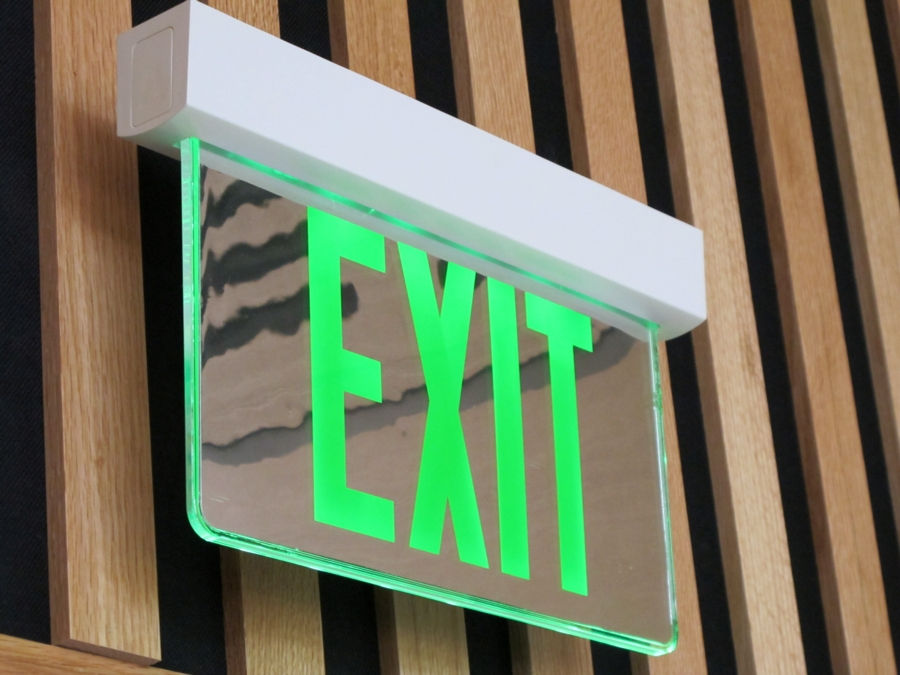
Identify entries and exits, and alert users when they enter new areas or buildings within a facility
Directional Signs
Directional signs are what most people imagine when they think of wayfinding. These signs keep people moving toward their final destination. Directional signs typically appear at junctions or anywhere someone might look for directions.
Directional signs may be used at several locations throughout your facility:
-
Post signs at entries to help visitors find reception desks, offices, loading docks, and other common destinations
-
Post signs in elevator lobbies, letting users know which locations can be found on a specific floor
-
Display overhead signs at junctions where users may need directions
Informational Signs
Informational signs are less about moving toward a destination than supplementing the trip with useful information along the way. For instance, highway signs may alert drivers when they’re entering a construction zone, or warn of upcoming congestion. In both instances, drivers can take that information into account and make or change plans accordingly.
Here’s how informational signs can help your facility:
-
Let drivers know which parking spots are reserved for visitors or employees
-
Caution workers that forklifts may be present
-
Let users know where (and how) they can access more information about the facility (such as at a reception desk or informational display)
-
Alert visitors when a conference room or meeting area has free Wi-Fi
Regulatory Signs
Regulatory signs inform users of regulations and requirements that are in place. Most drivers will recognize speed limit signs and “No Parking” notices as regulatory signs.
What do regulatory signs look like around a facility? Here’s a look:
-
Remind users to wear proper PPE, such as hearing protection or face shields, while working around certain equipment or chemicals
-
Let users know where smoking is or isn’t allowed in a facility
-
Warn visitors and workers when certain areas are off limits
-
Post speed limits for forklifts